
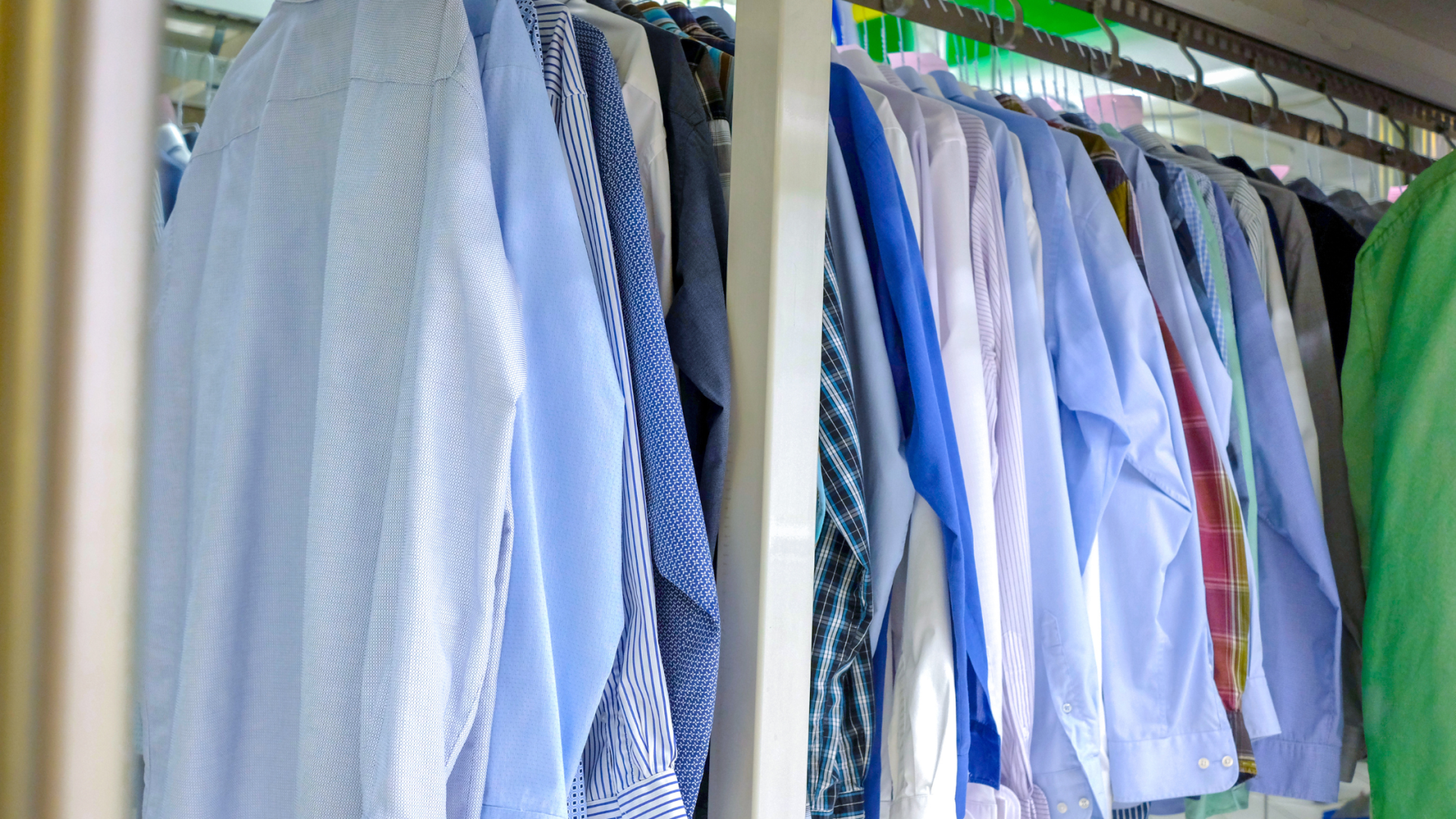
Dry cleaning is a method of cleaning clothes and fabrics that uses chemical solvents instead of water. It’s particularly suitable for delicate fabrics like silk, wool, and garments with intricate detailing that can be damaged by traditional washing methods.
But what exactly happens in the dry cleaning process, and what products do professional dry cleaners use to ensure your clothes come out looking their best? Let’s dive into the details.
The Dry Cleaning Process
1. Pre-treatment:
Before the actual cleaning begins, dry cleaners inspect each garment for stains, dirt, and imperfections. The pre-treatment phase involves carefully identifying the type of stain and applying specific stain removers to target these spots.
This might involve using a range of products, from oil-based solvents to enzyme-based cleaners for protein stains like blood or sweat.
Skilled dry cleaners will also examine the garment’s fabric type and make sure they use appropriate products that won’t damage the material.
2. Cleaning:
Once the pre-treatment is complete, garments are placed in a specialized dry cleaning machine. Instead of using water and detergent like a washing machine, this machine uses a chemical solvent.
The clothes are agitated gently in the solvent, which dissolves oils, dirt, and stains. This process is called “dry” cleaning because water is not involved, making it ideal for fabrics that can shrink, distort, or lose color when exposed to moisture.
3. Post-cleaning:
After the garments have been cleaned, they are dried using a controlled process where the solvent evaporates without leaving any residue on the fabric.
The clothes are then carefully pressed, steamed, or ironed to remove wrinkles and restore their shape. This final step ensures the garment looks fresh and polished before being returned to the customer.
Solvents and Products Used in Dry Cleaning
Several different products and solvents are essential for effective dry cleaning.
Each has a specific role in ensuring that garments are not only cleaned but also protected from damage.
1. Perchloroethylene (PERC):
For decades, perchloroethylene (commonly known as PERC) has been the most widely used solvent in the dry cleaning industry. PERC is excellent at removing a wide variety of stains and cleaning fabrics without damaging their structure.
However, concerns about its environmental impact and potential health risks have led to the development of alternative cleaning solutions.
2. Hydrocarbon Solvents:
Hydrocarbon-based solvents are a popular alternative to PERC. While not as powerful as PERC in removing heavy stains, they are much gentler on fabrics.
Hydrocarbon solvents are also less toxic and more environmentally friendly, making them a growing choice for many dry cleaners who want to reduce their environmental footprint.
3. Silicone-based Solvents:
Silicone-based solvents, such as GreenEarth, are a more modern solution. They offer a safer and more eco-friendly approach to dry cleaning.
These solvents are biodegradable and gentle on clothes, making them suitable for delicate fabrics while still effectively removing dirt and stains.
4. Cleaning Agents:
In addition to solvents, professional dry cleaners use special detergents and cleaning agents designed for dry cleaning.
These agents help break down oils and dirt within the solvent, ensuring that garments come out clean without leaving behind residues.
Many dry cleaners use fabric softeners or conditioners that work within these systems to keep fabrics soft and prevent static cling.
5. Spot Removers and Stain Treatments:
To deal with specific types of stains, dry cleaners use a variety of spot removers and stain treatments.
These can range from protein-based stain removers to oil-based solvents that target grease and ink stains.
The key to successful stain removal is understanding the type of fabric and the stain itself, then applying the correct product to treat it without causing further damage.

Why Professional Dry Cleaning Matters
While there are DIY dry cleaning kits available, professional dry cleaning offers several advantages.
First, dry cleaners have the expertise to handle delicate fabrics and complex garments like suits, dresses, and coats that require special care.
They know which solvents and products work best for different materials, ensuring that your clothes are cleaned thoroughly without being damaged.
Additionally, professional dry cleaners can help extend the lifespan of your clothes.
By using the right products and techniques, they prevent wear and tear that could occur with at-home washing or improper cleaning. T
his makes dry cleaning an investment in the long-term care of your wardrobe.
Conclusion:
Dry cleaning is a specialized cleaning process that uses chemical solvents rather than water to clean clothes, making it ideal for delicate fabrics and garments that can’t withstand traditional washing methods.
Products like PERC, hydrocarbon solvents, silicone-based cleaners, and specialized detergents play a key role in ensuring clothes come out looking fresh and spotless.
As the industry moves toward more environmentally friendly solutions, newer solvents offer a safer alternative for both your clothes and the planet.
So, the next time you drop off your clothes at a dry cleaner, you’ll know a bit more about the intricate process and the products used to keep your garments in top condition.

Want your laundry picked up?
Easy Life Laundry collects from your hotel, apartment or office in 41 Chinese cities, washes, dries and folds by the kilo, and brings everything back — usually the next day. English-speaking service, itemised bills and photo updates.


