

Have you ever wondered if a dry cleaner can erase the unsightly reminder of an accident – a blood stain? It’s a question many of us have pondered, especially after an unexpected injury. The process of removing blood stains can be daunting, but understanding the role of dry cleaning in this process can provide clarity.
Blood stains can be particularly challenging due to their composition. When they come into contact with fabric, they can bind strongly, making removal difficult. However, professional dry cleaning services utilize specialized techniques and solvents that can effectively break down and get blood out of fabrics.
Key Takeaways
- Understanding the composition of blood stains is crucial for effective removal.
- Dry cleaning uses specialized solvents to break down blood stains.
- Professional dry cleaning can be an effective method for removing blood stains.
- The success of blood stain removal depends on the type of fabric and the age of the stain.
- Acting quickly can improve the chances of successful blood stain removal.
Understanding Blood Stains and Why They’re Challenging
Blood stains are notoriously difficult to remove, and understanding their composition is key to tackling them effectively. Blood is a complex liquid that contains various components, including plasma, red blood cells, white blood cells, and platelets.
The Composition of Blood and Why It Stains
The primary reason blood stains are so persistent is due to the proteins present in it. When blood comes into contact with fabric, these proteins bind to the fibers, making the stain difficult to remove. The protein hemoglobin in red blood cells is particularly problematic as it tends to adhere strongly to fabric.
“The proteins in blood make it notoriously difficult to clean,” says a stain removal expert. “Understanding this can help in choosing the right cleaning method.”
Why Blood Stains Are Difficult to Remove
Blood stains are challenging to remove because of their composition and how they interact with fabric. When blood dries, it becomes even more entrenched in the fabric, making removal more difficult. Immediate action is often necessary to prevent the stain from setting.
- The presence of proteins and other components makes blood a tough stain.
- Dried blood is particularly challenging as it has had time to bind with fabric fibers.
- Using the wrong cleaning techniques can make the stain permanent.
Understanding the nature of blood stains is the first step in effectively removing them. By knowing what makes them challenging, individuals can better approach stain removal.
Can Dry Cleaners Remove Blood Stains?
The question on everyone’s mind is: can dry cleaners actually remove blood stains from clothing and fabrics? Blood stains are notoriously difficult to remove, especially once they’ve set. However, professional dry cleaning services have various methods at their disposal to tackle such stubborn stains.
How Professional Dry Cleaning Works on Blood Stains
Professional dry cleaning involves the use of solvents other than water to clean fabrics. When it comes to blood stains, dry cleaners first inspect the fabric to determine the best course of action. They then apply specialized stain removal techniques, which may involve pre-treating the stain with a solvent or a specific cleaning solution designed to break down the proteins in blood.
Solvents and Techniques Dry Cleaners Use
Dry cleaners utilize a variety of solvents and techniques to remove blood stains. Common solvents include perchloroethylene and hydrocarbon, which are effective at dissolving and removing organic stains like blood. Techniques may involve gentle agitation, steam cleaning, or the application of specialized stain removal products.
The choice of solvent and technique depends on the type of fabric and the nature of the stain. For example, delicate fabrics may require a gentler approach, while more robust fabrics can withstand more aggressive stain removal methods.
Success Rates for Blood Stain Removal at Dry Cleaners
The success rate for removing blood stains at dry cleaners can vary depending on several factors, including the age of the stain, the type of fabric, and the specific techniques used. Generally, fresh blood stains are more likely to be removed completely than older stains.
| Stain Age | Fabric Type | Success Rate |
|---|---|---|
| Fresh | Cotton/Synthetics | 90% |
| Old | Cotton/Synthetics | 70% |
| Fresh | Delicates (Silk, Wool) | 85% |
| Old | Delicates (Silk, Wool) | 60% |
While dry cleaners can often remove blood stains, the outcome depends on various factors. It’s essential to inform your dry cleaner about the stain and its history to maximize the chances of successful removal.
Fresh vs. Dried Blood Stains: What’s the Difference?
The distinction between fresh and dried blood stains is crucial in determining the best removal approach. Understanding whether a blood stain is fresh or dried can significantly impact the effectiveness of the removal method.
Why Fresh Blood Stains Are Easier to Remove
Fresh blood stains are generally easier to remove because the blood has not had time to fully penetrate the fabric or bind to the fibers. When blood first comes into contact with fabric, it can often be removed with simple cleaning methods.
Key reasons fresh blood stains are easier to remove:
- The blood is still in its liquid form, making it easier to blot or wash away.
- The proteins in the blood have not yet coagulated and bonded with the fabric fibers.
- There’s less chance of the stain setting over time, making removal more straightforward.
Challenges of Removing Old and Dried Blood Stains
Dried blood stains, on the other hand, present a more significant challenge. Over time, the blood dries and becomes a stubborn stain that can be difficult to remove completely.
The main challenges with dried blood stains include:
- The blood has had time to penetrate deeply into the fabric, making it harder to remove.
- The proteins in the blood have coagulated, forming strong bonds with the fabric fibers.
- Dried blood can leave behind residual discoloration even after the stain appears to be gone.
To illustrate the difference, consider the following comparison:
| Characteristics | Fresh Blood Stains | Dried Blood Stains |
|---|---|---|
| State of Blood | Liquid | Solidified |
| Removal Difficulty | Easier | More Challenging |
| Removal Methods | Cold water, simple blotting | Specialized stain removers, enzymatic cleaners |
Understanding the differences between fresh and dried blood stains is essential for choosing the right removal techniques. By recognizing whether a stain is fresh or dried, individuals can select the most appropriate methods for removal, increasing the chances of completely eliminating the stain.
When to Take Blood-Stained Items to the Dry Cleaner
Determining when to take blood-stained items to a dry cleaner can be crucial for effective stain removal. Not all fabrics can withstand the rigors of home cleaning methods, and some may require the specialized care that professional dry cleaners offer.
Fabric Types That Require Professional Cleaning
Certain fabrics are too delicate or require special care that is not feasible at home. These include:
- Silk and Wool: These natural fibers can be damaged by improper cleaning techniques or solutions.
- Cashmere and Other Delicate Materials: The softness and quality of these fabrics can be compromised if not cleaned correctly.
- Upholstery and Carpets: Large or fixed items like these often need professional cleaning due to their size and the complexity of their material.
How to Properly Inform Your Dry Cleaner About Blood Stains
When taking your blood-stained items to a dry cleaner, it’s crucial to provide as much information as possible about the stain. This includes:
- Telling them it’s a blood stain: This helps them choose the right cleaning solution and technique.
- Describing the age of the stain: Fresh stains are typically easier to remove than dried ones.
- Mentioning any previous cleaning attempts: This can help the dry cleaner understand what has already been tried and avoid repeating ineffective methods.
By understanding when to seek professional help and how to communicate with your dry cleaner, you can increase the chances of successfully removing blood stains from your items.
DIY Methods for Removing Fresh Blood Stains
The key to removing fresh blood stains lies in acting quickly and using the right DIY techniques. Fresh blood is easier to remove than dried blood, so immediate action is crucial.
Cold Water Treatment: The First Step
One of the simplest and most effective methods for removing fresh blood stains is cold water treatment. Run cold water over the back of the stain to flush out as much of the blood as possible. Avoid using hot water, as it can set the stain, making it harder to remove.
Hydrogen Peroxide Method for Fresh Stains
Hydrogen peroxide is another effective agent for removing blood stains. Apply a small amount directly to the stain, let it sit for a few minutes, and then rinse with cold water. Repeat if necessary until the stain is gone.
White Vinegar Solution for Blood Removal
A solution of white vinegar and water can also help remove blood stains. Mix one part white vinegar with two parts water and soak the stained area in this solution for about 30 minutes. Then, rinse with cold water and check if the stain remains.
Salt and Baking Soda Techniques
For a more natural approach, you can try using salt and baking soda. Make a paste with 1 tablespoon of salt, 1 tablespoon of baking soda, and a little water. Apply this paste to the stain and let it sit for about an hour before rinsing off with cold water.
| Method | Materials Needed | Instructions |
|---|---|---|
| Cold Water Treatment | Cold water | Run cold water over the back of the stain to flush out the blood. |
| Hydrogen Peroxide | Hydrogen peroxide | Apply to the stain, let sit, and rinse with cold water. |
| White Vinegar Solution | White vinegar, water | Soak the stain in a solution of 1 part vinegar to 2 parts water. |
| Salt and Baking Soda | Salt, baking soda, water | Make a paste, apply to the stain, and rinse after an hour. |
Tackling Dried Blood Stains at Home
With the right pre-treatment techniques, even the toughest dried blood stains can be removed at home. Dried blood can be particularly challenging because it has had time to set into the fabric, making it more stubborn.
Pre-Treatment Techniques for Set-In Blood Stains
Before diving into the removal process, pre-treating the stain is crucial. Start by gently scraping off any dried blood from the surface using a blunt tool like a butter knife or a credit card. Be careful not to damage the fabric.
Next, soak the stained area in cold water for about an hour. Cold water helps to loosen the blood without setting it further. For tougher stains, you can also try soaking the garment in a mixture of cold water and enzymatic cleaner or laundry detergent specifically designed to break down protein-based stains like blood.
Step-by-Step Process for Removing Dried Blood
After pre-treatment, follow this step-by-step process to remove dried blood:
- Apply a stain remover or a mixture of equal parts water and white vinegar directly to the stain.
- Let it sit for about 10-15 minutes to allow the solution to penetrate the stain.
- Gently rub the stain with a soft-bristled brush or your fingers to work the solution into the fabric.
- Rinse the garment under cold running water to remove the solution and loosened blood.
- If the stain persists, repeat the process until the stain is gone or significantly faded.
- Finally, wash the garment as you normally would, checking to ensure the stain is completely gone before putting it in the dryer.
When to Try Enzymatic Cleaners
Enzymatic cleaners are particularly effective for blood stains because they contain enzymes that break down the proteins in blood. If the stain is particularly stubborn, or if it’s on a fabric that’s prone to staining, consider using an enzymatic cleaner as part of your pre-treatment or stain removal process.
Here’s a comparison of different stain removal methods:
| Method | Effectiveness on Dried Blood | Best for Fabric Type |
|---|---|---|
| Cold Water Soak | Moderate | Cotton, Linen |
| Enzymatic Cleaner | High | Protein-based stains on various fabrics |
| White Vinegar Solution | Moderate to High | Colorsafe fabrics |
Blood Stain Removal by Fabric Type
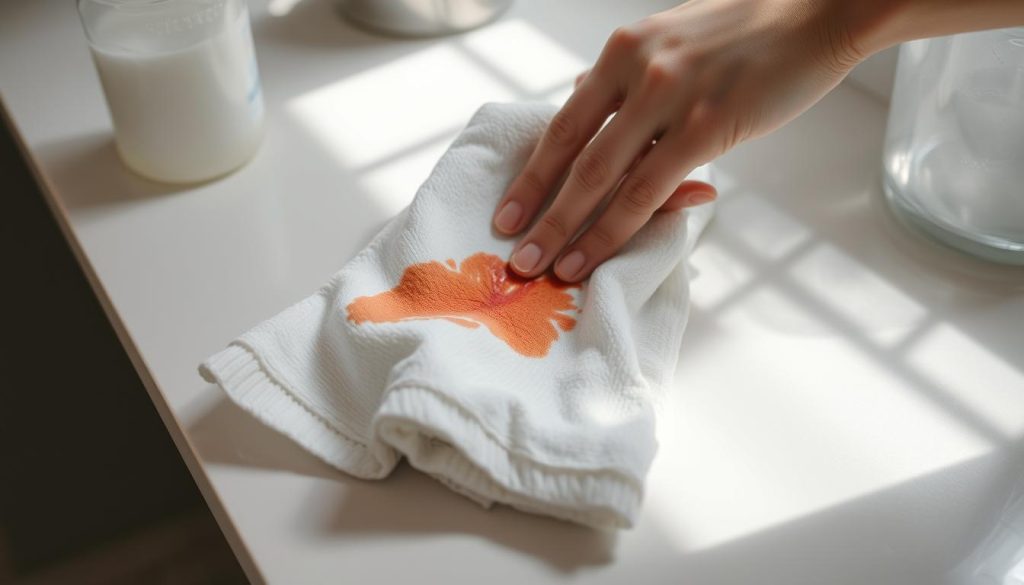
Blood stain removal isn’t a one-size-fits-all process; it varies significantly with fabric type. Different materials respond differently to various cleaning techniques, making it crucial to tailor your approach based on the fabric.
Cotton and Synthetic Fabrics
Cotton and synthetic fabrics like polyester and nylon are generally more resilient and can withstand more aggressive stain removal techniques. For these fabrics, you can start by applying cold water to the stain, followed by a mild detergent or a stain remover. Gently scrub the area before washing. If the stain persists, consider using oxygen-based bleach, which is effective for removing blood without damaging most synthetic fabrics.
Delicate Fabrics: Silk, Wool, and Cashmere
Delicate fabrics such as silk, wool, and cashmere require a more gentle approach. For these materials, it’s best to avoid harsh chemicals and vigorous scrubbing, as they can damage the fabric. Cold water and a mild soap are usually safe starting points. For silk, a mixture of cold water and white vinegar can help remove the stain without causing damage. Wool and cashmere may require professional cleaning if the stain is particularly stubborn.
Upholstery and Carpets
Blood stains on upholstery and carpets can be challenging due to their size and the material’s absorbency. For fresh stains, blot the area with cold water and a clean cloth. Avoid rubbing, as it can push the stain deeper into the fabric. For more persistent stains, a solution of cold water and mild dish soap can be effective. For tougher stains, consider using a carpet and upholstery cleaner, following the product’s instructions carefully to avoid damaging the material.
Regardless of the fabric type, acting quickly is key to successful blood stain removal. The sooner you treat the stain, the higher the chances of completely removing it.
Common Mistakes to Avoid When Treating Blood Stains
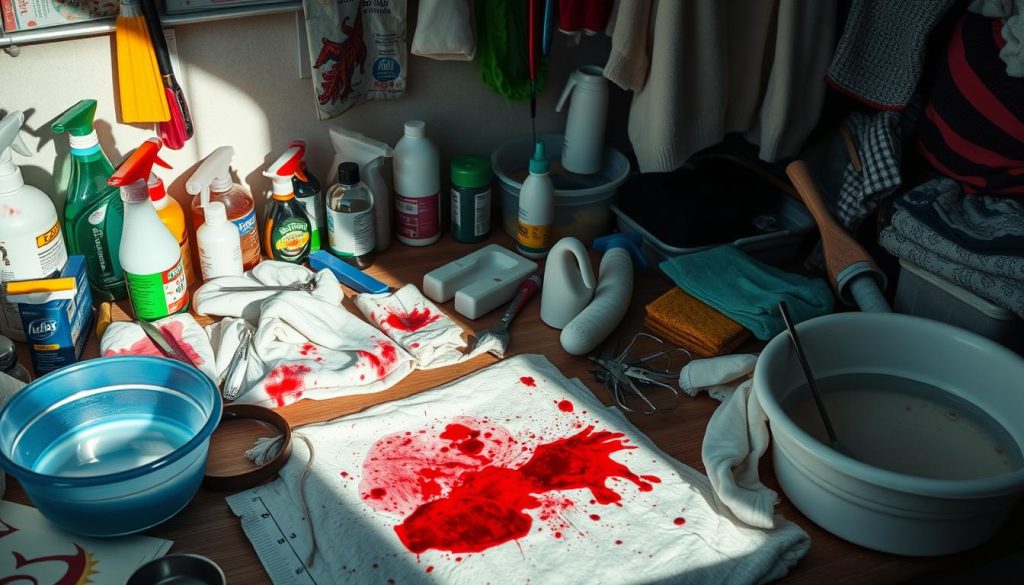
The key to removing blood stains lies in understanding what not to do, as mistakes can lead to permanent staining. When dealing with blood stains, it’s crucial to approach the task with care to avoid making the stain worse.
Why Hot Water Makes Blood Stains Permanent
One of the most significant mistakes people make when trying to remove blood stains is using hot water. Hot water can set the stain, making it much harder to remove. This is because heat denatures proteins in blood, causing them to bind more tightly to fabric. As cleaning expert, Karen, once said, “Hot water is like setting the stain in concrete.”
Instead, cold water should be used to treat blood stains. Cold water helps to keep the proteins in blood from binding to the fabric, making the stain easier to remove.
Rubbing vs. Blotting: The Right Technique
Another common mistake is rubbing the stain instead of blotting it. Rubbing can damage the fabric and push the stain deeper, making it more difficult to remove. Blotting, on the other hand, gently lifts the stain from the fabric without causing damage.
- Blotting is a gentler approach that helps preserve the fabric.
- Rubbing can cause friction, leading to fabric wear and tear.
- The right technique can make a significant difference in stain removal success.
Waiting Too Long Before Treatment
Delaying treatment is another mistake that can make blood stain removal more challenging. The longer you wait, the more time the blood has to set into the fabric. As the saying goes, “Time is of the essence.” Prompt treatment increases the chances of successful stain removal.
To avoid this mistake, treat blood stains as soon as possible. If you’re not sure how to proceed, consider consulting a professional dry cleaner who can provide guidance on the best course of action.
Commercial Stain Removers for Blood: Do They Work?
Commercial stain removers are a popular choice for tackling blood stains on various fabrics. These products are specifically designed to target and remove tough stains, including those caused by blood.
Top Products for Blood Stain Removal
Several commercial stain removers have gained recognition for their effectiveness in removing blood stains. Some of the top products include:
- OxiClean: Known for its powerful stain-fighting capabilities, OxiClean is a versatile product that can be used on a variety of fabrics.
- Shout: Shout is another well-regarded stain remover that is effective against blood and other protein-based stains.
- Enzyme-based stain removers: Products containing enzymes, such as Biz or OxiClean, are particularly effective at breaking down protein-based stains like blood.
How to Use Commercial Stain Removers Effectively
To get the best results from commercial stain removers, it’s essential to follow the product instructions carefully. Here are some general tips for effective use:
- Always read the label and follow the instructions for application and dosage.
- Pre-treat the stain before washing to allow the product to penetrate the fabric.
- For tough stains, consider letting the product sit for a few minutes before washing.
| Product | Effective on Blood Stains | Easy to Use |
|---|---|---|
| OxiClean | Yes | Yes |
| Shout | Yes | Yes |
| Enzyme-based removers | Yes | Generally |
By choosing the right commercial stain remover and using it correctly, you can effectively remove blood stains from your clothing and fabrics.
When Blood Stains Seem Impossible to Remove
Blood stains can be particularly stubborn, leaving many to wonder if they’ll ever be completely removed. Despite trying various methods and techniques, some blood stains persist, causing frustration and concern.
When faced with such stubborn stains, it’s essential to consider last-resort techniques that might finally remove the stain. One such method involves using enzymatic cleaners, which break down the proteins in blood, potentially lifting the stain from the fabric.
Last-Resort Techniques for Stubborn Blood Stains
For particularly resilient blood stains, trying a combination of different cleaning methods might be necessary. This could include pre-treating the stain with a solution before washing or dry cleaning. It’s crucial to test any cleaning solution on an inconspicuous area first to ensure it doesn’t damage the fabric.
Another technique is to use a paste made from baking soda and water. Applying this paste to the stain and letting it sit for several hours or overnight can help lift the stain. Afterward, gently brushing off the paste and washing the item as usual might remove the remaining stain.
“The key to removing stubborn stains often lies in persistence and the right combination of cleaning techniques.”
When to Accept That a Stain Cannot Be Removed
Despite our best efforts, there are times when a blood stain cannot be completely removed. The age of the stain, the type of fabric, and the methods used can all impact the likelihood of successful removal.
In such cases, it might be necessary to accept that the stain is permanent. While this can be disappointing, it’s also an opportunity to consider alternatives, such as repurposing the item or using it in a context where the stain is less noticeable.
Understanding when to keep trying and when to accept that a stain is permanent can help manage expectations and reduce frustration. By employing last-resort techniques and being prepared for the possibility that some stains cannot be removed, individuals can better navigate the challenges of blood stain removal.
Conclusion: Best Practices for Blood Stain Removal
Removing blood stains can be challenging, but with the right techniques and knowledge, it’s achievable. By understanding the composition of blood and why it stains, you can effectively tackle blood-stained items.
To remove blood stains, act quickly, and use the right cleaning methods. Cold water treatment, hydrogen peroxide, and enzymatic cleaners are effective solutions. For delicate fabrics, professional dry cleaning is recommended.
Best practices for blood stain removal include pre-treating stains, using the right cleaning products, and avoiding common mistakes like using hot water or rubbing the stain. By following these best practices, you can increase the chances of successful blood stain removal.
In conclusion, removing blood stains requires patience, persistence, and the right techniques. By applying these best practices, you can effectively remove blood stains and restore your items to their original condition.
FAQ
Can dry cleaners remove blood stains from any type of fabric?
How do I inform my dry cleaner about a blood stain on my clothing?
Are fresh blood stains easier to remove than dried ones?
Can I use hot water to remove blood stains from clothing?
What are some DIY methods for removing fresh blood stains?
How can I remove dried blood stains from clothing?
Are commercial stain removers effective for removing blood stains?
Can blood stains be completely removed from all fabrics?
How can I prevent blood stains from becoming permanent?

Want your laundry picked up?
Easy Life Laundry collects from your hotel, apartment or office in 41 Chinese cities, washes, dries and folds by the kilo, and brings everything back — usually the next day. English-speaking service, itemised bills and photo updates.


