
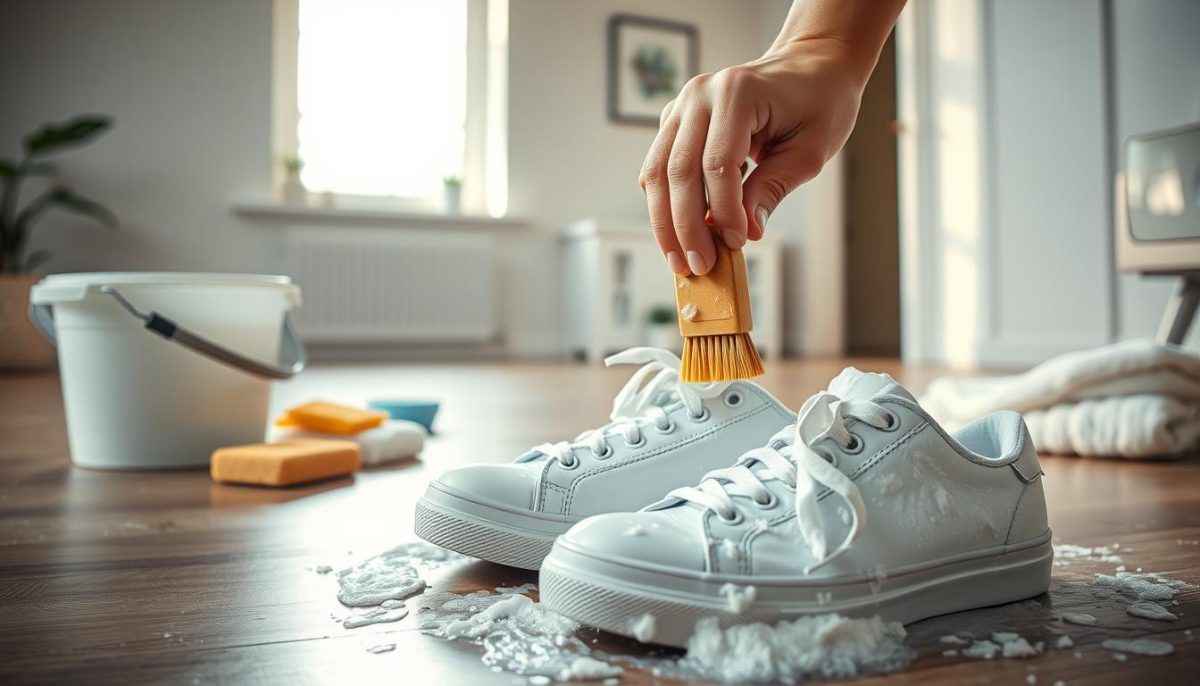
Did you know that a significant number of sneaker enthusiasts are turning to unconventional methods for shoe cleaning? One surprising trend is the use of dish soap to clean shoes. But does it really work?
Using dish soap for sneaker cleaner can be effective, but it’s crucial to understand the right techniques and potential risks involved. This article will explore the ins and outs of using dish soap for shoe care, providing you with valuable cleaning tips.
Key Takeaways
- Understand the pros and cons of using dish soap for shoe cleaning.
- Learn the best way to clean different types of shoes.
- Discover alternative methods for shoe care.
- Find out how to remove tough stains from sneakers.
- Get tips on maintaining your shoes’ quality after cleaning.
The Science Behind Using Dish Soap on Shoes
The science behind using dish soap on shoes involves understanding its interaction with various materials. Dish soap is designed to cut through grease and food residue on dishes, but its cleaning properties can also be effective on shoes.
How Dish Soap Works as a Cleaner
Dish soap works by using surfactants to reduce the surface tension of water, allowing it to penetrate and lift away dirt and grime. This makes it an effective cleaning agent for various surfaces, including some types of shoes. The surfactants in dish soap, such as those found in Dawn dish soap, are particularly good at breaking down and removing tough stains.
Why Dish Soap Can Be Effective for Shoes
Dish soap can be effective for cleaning shoes made from materials like canvas, mesh, and some synthetic materials. The soap’s ability to break down dirt and stains without damaging these materials makes it a useful cleaning tool. However, it’s essential to test a small area first to ensure the soap doesn’t damage the shoe material.
| Shoe Material | Effectiveness of Dish Soap |
|---|---|
| Canvas | Highly Effective |
| Leather | Not Recommended |
| Synthetic Materials | Generally Effective |
As Dr. Cleaning once said, “The key to effective cleaning is understanding the material you’re working with.” This is particularly true when using dish soap on shoes. By choosing the right type of dish soap and applying it correctly, you can keep your shoes looking their best.
Is Dish Soap Good for Cleaning Shoes? The Definitive Answer
The effectiveness of dish soap in cleaning shoes has been a topic of debate among cleaning enthusiasts. While some swear by its ability to remove tough stains, others are concerned about its potential impact on various shoe materials.
Benefits of Using Dish Soap
Dish soap can be an effective cleaner for shoes due to its ability to cut through grease and grime. It’s particularly useful for cleaning canvas and fabric shoes, where it can help remove stubborn stains without damaging the material. Additionally, dish soap is often readily available and affordable, making it a convenient option for many consumers.
As noted by cleaning experts, “Dish soap can be a gentle yet effective cleaner when used properly.”
“The key is to use it in moderation and test it on a small area first to ensure it doesn’t damage the shoe material.”
Potential Drawbacks to Consider
Despite its benefits, using dish soap on shoes can have some drawbacks. One of the main concerns is that it can strip away the natural oils from leather shoes, leading to dryness and potential cracking. Moreover, some dish soaps can be too harsh, causing discoloration or damage to certain materials.
Types of Dish Soap Best for Shoe Cleaning
When it comes to choosing a dish soap for cleaning shoes, it’s essential to opt for a mild, fragrance-free formula to minimize the risk of damage. Dawn dish soap is often recommended
For cleaning white shoes, a mixture of dish soap and other cleaning agents like baking soda can be particularly effective. However, it’s crucial to test any cleaning solution on a small, inconspicuous area first to ensure it won’t damage the shoe material.
Types of Shoes You Can Clean with Dish Soap
When it comes to cleaning shoes, dish soap can be a versatile and effective solution for various types of footwear. The key is to understand which materials can benefit from this cleaning method.
Canvas Shoes and Sneakers
Canvas shoes and sneakers are ideal candidates for dish soap cleaning. The soap can effectively remove dirt and stains from the canvas material without damaging it. To clean canvas shoes, mix a small amount of dish soap with warm water, and use a soft-bristled brush to gently scrub away stains.
For tougher stains, you can let the soap solution sit for a few minutes before rinsing. After sneaker cleaning, allow the shoes to air dry, as direct heat can cause the canvas to degrade.
Leather Shoes and Sneakers
Leather shoes and sneakers can also be cleaned with dish soap, but with caution. It’s essential to use a mild dish soap that doesn’t contain harsh chemicals or abrasives. Mix the soap with water, and use a soft cloth to gently wipe down the leather surface.
It’s crucial to condition the leather after cleaning to prevent dryness and cracking. Use a leather conditioner or a mixture of equal parts water and white vinegar to restore the leather’s natural moisture. However, it’s advisable not to use soap on clean white leather shoes.
Athletic Shoes
Athletic shoes, including running shoes and training shoes, can often be cleaned with dish soap. The soap can help remove dirt, sweat, and odor-causing bacteria from the shoe’s surface. Use a soft-bristled brush to scrub away tough stains, and then rinse with cold water.
“Cleaning athletic shoes with dish soap can help maintain their appearance and extend their lifespan.”
What to Avoid: Shoes Not Suitable for Dish Soap Cleaning
While dish soap can be effective for many types of shoes, there are some materials that should be avoided. Suede shoes, for example, require specialized cleaning products and techniques to prevent damage. Additionally, shoes with glued or bonded components may be compromised by the soap and water mixture.
- Suede shoes
- Shoes with glued or bonded components
- Delicate or exotic materials
When in doubt, it’s always best to consult the manufacturer’s cleaning instructions or seek professional advice to ensure the longevity of your shoes.
Step-by-Step Guide to Cleaning White Sneakers with Dish Soap
If you’re tired of looking at your dingy white sneakers, it’s time to learn how to clean them effectively using dish soap. This guide will walk you through the process, from preparing your clean sneakers to the final drying touches.
Materials You’ll Need
Before you start, gather the necessary materials to ensure a smooth cleaning process. You’ll need:
- Mild dish soap
- Warm water
- A soft-bristled brush or toothbrush
- A clean cloth or sponge
- Optional: baking soda, white vinegar
Preparation Steps
Preparation is key to effectively cleaning your white sneakers. Begin by removing the laces and any inserts to clean them separately. Use a soft brush or cloth to remove any loose dirt or debris from the surface of the sneakers.
Cleaning Process
Mix a small amount of mild dish soap with warm water. Dip your soft-bristled brush or cloth into the solution and gently scrub the sneakers, working in circular motions. For tougher stains, you can let the soapy solution sit for a few minutes before scrubbing. Rinse the soap off with clean water, and use a clean cloth to blot any remaining soap residue.
Drying and Finishing
After cleaning, use a dry cloth to blot any excess moisture. Allow your sneakers to air dry away from direct sunlight. To maintain their shape, you can stuff them with paper towels or newspaper. Once dry, re-lace your sneakers and inspect them for any remaining stains or scuffs. For an extra layer of protection, consider applying a sneaker protector or waterproofing spray.
By following these steps, you can keep your white sneakers looking fresh and clean. Regular cleaning with dish soap can help maintain their appearance and extend their lifespan.
Dawn Dish Soap vs. Other Brands for Shoe Cleaning
Dawn dish soap has been a popular choice for cleaning shoes, but how does it compare to other brands? When it comes to cleaning shoes, the effectiveness of the dish soap can vary significantly between brands.
What Makes Dawn Different
Dawn dish soap is known for its effective grease-cutting abilities, making it a favorite among those who need to clean heavily soiled shoes. Its formula is designed to tackle tough food residue, which translates well to removing stubborn stains on shoes.
Other Effective Dish Soap Brands
While Dawn is a popular choice, other dish soap brands can also be effective for shoe cleaning. Brands like Seventh Generation and Method offer eco-friendly alternatives that are gentle on materials yet tough on stains.
Dawn Powerwash for Stubborn Stains
For particularly stubborn stains, Dawn Powerwash is a game-changer. This product is designed to cut through tough grease and food residue, making it ideal for cleaning shoes with heavy staining.
In conclusion, while Dawn dish soap is a strong contender for shoe cleaning, other brands also offer effective solutions. The choice ultimately depends on the type of shoe material and the nature of the stain.
Powerful Combinations: Dish Soap with Other Cleaning Agents
Elevate your shoe cleaning routine by combining dish soap with other common household cleaning agents. This approach can help tackle tough stains and dirt more effectively than using dish soap alone.
Dish Soap and Baking Soda Mixture
One of the most effective combinations for cleaning shoes is mixing dish soap with baking soda. This mixture creates a paste that can be used to scrub away tough stains on canvas and other fabric shoes. The abrasive nature of baking soda helps remove dirt, while the dish soap provides a cleaning agent to break down grease and grime.
To use this mixture, simply mix equal parts of dish soap and baking soda with a small amount of water to form a paste. Apply it to the stained area, scrub gently, and then rinse with cold water.
Dish Soap with White Vinegar
Another powerful combination is using dish soap with white vinegar. White vinegar is a natural cleaning agent that can help dissolve dirt and kill bacteria. When combined with dish soap, it creates a solution that can effectively clean and deodorize shoes.
Mix a small amount of dish soap with white vinegar in a bowl. Dip a soft cloth into the solution, wring it out thoroughly, and gently wipe down the shoes. This method is particularly effective for leather shoes, as it helps maintain their suppleness while cleaning.
Dish Soap and Toothpaste Combination
For particularly tough stains, some people swear by combining dish soap with toothpaste. The mild abrasives in toothpaste can help remove stubborn stains, while the dish soap provides additional cleaning power.
However, be cautious when using this method, as some toothpastes can be too abrasive for certain materials. It’s best to test this combination on a small, inconspicuous area first to ensure it won’t damage the shoe.
By experimenting with these combinations, you can find the perfect solution for your shoe cleaning needs. Whether you’re dealing with muddy athletic shoes or stained canvas sneakers, these cleaning hacks can help restore your shoes to their former glory.
Tackling Specific Stains and Materials
Shoe care isn’t one-size-fits-all; different stains and materials need tailored cleaning methods. Whether you’re dealing with suede, canvas, or leather, understanding the right techniques can make all the difference in maintaining your shoes’ appearance.
Cleaning Suede Shoes Safely
Suede shoes require gentle care. To clean suede safely, start by brushing off any loose dirt with a suede brush. For tougher stains, use a suede cleaner or a mixture of water and white vinegar on a soft cloth. Gently dab the stain, avoiding rubbing motions that can damage the suede.
Removing Grass and Mud Stains
Grass and mud stains can be particularly stubborn. Begin by letting the mud dry completely, then brush it off. For grass stains, apply a mixture of dish soap and warm water, gently scrubbing with a soft-bristled brush. Rinse with cold water and let air dry.
Dealing with Oil and Grease Marks
Oil and grease stains require immediate attention. Sprinkle baking soda or cornstarch on the stain to absorb the oil, letting it sit before brushing off. For persistent stains, apply a small amount of dish soap directly to the stain, working it in with a soft brush before rinsing.
Restoring White Canvas Shoes
White canvas shoes can become dingy over time. To restore them, mix dish soap with warm water, and use a soft-bristled brush to gently scrub away stains. For tougher stains, a mixture of baking soda and water can be applied before scrubbing. Rinse thoroughly and air dry.
By following these tailored cleaning methods, you can effectively tackle various stains and materials, ensuring your shoes remain in great condition.
- Always test a small, inconspicuous area first to ensure the cleaning method won’t damage the material.
- Use the right cleaning tools, such as soft-bristled brushes and soft cloths, to avoid damaging your shoes.
- For particularly tough stains, consider repeating the cleaning process or seeking professional help.
Common Mistakes to Avoid When Cleaning Shoes with Dish Soap
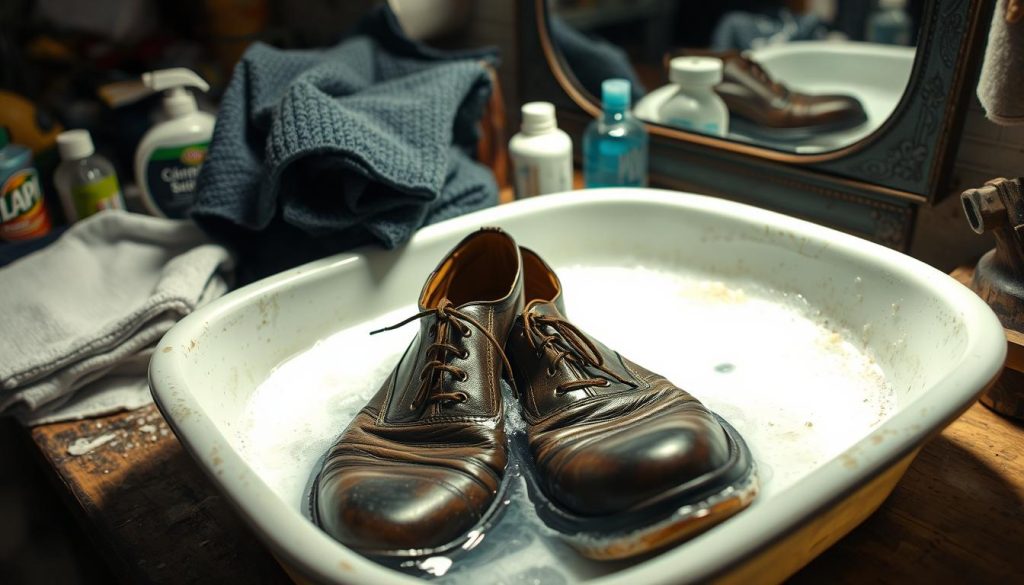
Cleaning shoes with dish soap can be effective, but it’s crucial to avoid common mistakes that can damage your shoes. While dish soap is a versatile cleaning agent, its use on shoes requires some caution and understanding of the potential pitfalls.
Using Too Much Water
One of the most common mistakes is using too much water, which can lead to water damage. Excessive moisture can cause shoes to lose their shape or lead to the growth of mold and mildew. To avoid this, use a damp cloth rather than soaking the shoes in water.
Scrubbing Too Aggressively
Aggressive scrubbing can damage the material of your shoes, whether it’s canvas, leather, or suede. Gentle scrubbing with a soft-bristled brush or cloth is recommended to remove dirt without causing harm.
Improper Drying Methods
After cleaning, it’s essential to dry your shoes properly to prevent improper drying issues. Avoid using direct heat sources like a hair dryer, as they can cause the materials to degrade. Instead, let your shoes air dry naturally, stuffing them with newspaper to maintain their shape.
Overlooking Material-Specific Care
Different materials require different care. Material-specific care is crucial when cleaning shoes with dish soap. For example, suede shoes need a different approach compared to canvas or leather shoes. Always check the manufacturer’s instructions before cleaning.
By avoiding these common mistakes, you can effectively clean your shoes with dish soap and keep them looking their best. Remember, the key to successful shoe cleaning is gentle care and attention to the specific needs of your shoes’ materials.
Maintenance Tips: Keeping Shoes Clean Longer
Extending the life of your shoes is easier than you think with these maintenance tips. Proper care can make a significant difference in how long your shoes stay clean and in good condition.
Preventative Measures
One of the most effective ways to keep your shoes clean is by applying preventative measures. Using a waterproofing spray or cream can protect your shoes from water and stains. For canvas shoes, a fabric protector can be a great investment. Additionally, being mindful of where you walk can prevent unnecessary dirt and stains.
Regular Cleaning Schedule
Establishing a regular cleaning schedule is crucial for maintaining your shoes. Depending on how often you wear them, cleaning your shoes weekly or bi-weekly can prevent dirt buildup. For white sneakers, a gentle dish soap can be effective, as discussed in previous sections.
Storage Solutions for Clean Shoes
How you store your shoes can significantly impact their cleanliness. Using shoe trees or stuffing them with paper can help maintain their shape. Store them in a cool, dry place away from direct sunlight. For delicate shoes, consider using breathable storage bags.
When to Replace vs. Clean
Knowing when to replace your shoes rather than cleaning them is important. If your shoes are severely damaged or have persistent odors that won’t come out with cleaning, it might be time to consider replacing them. However, for shoes that are still in good condition, regular cleaning and maintenance can extend their lifespan.
By following these maintenance tips, you can keep your shoes looking clean and new for longer. Regular care and attention can significantly extend the life of your footwear.
Conclusion: Making Your Shoes Look Brand New Again
Cleaning your shoes with dish soap can be an effective way to restore their original look. By understanding the science behind using dish soap on shoes and following the tips and suggestions outlined in this article, you can keep your shoes looking their best.
To achieve the best results, remember to choose the right type of dish soap for your shoe material and follow the step-by-step guide for cleaning white sneakers. Regular maintenance, including preventative measures and a regular cleaning schedule, will help keep your shoes clean and prolong their lifespan.
By applying these shoe care tips, you can make your shoes look brand new again. Whether you’re dealing with stubborn stains or simply want to maintain your shoes’ appearance, the right cleaning techniques and materials can make all the difference in restoring shoes to their original condition.
With these shoe cleaning conclusion tips, you’re now equipped to tackle tough stains and keep your shoes looking their best. By incorporating dish soap into your cleaning shoes routine, you can enjoy fresh, clean shoes that look like new.
FAQ
Is Dawn dish soap safe for cleaning white sneakers?
Can I use dish soap to clean suede shoes?
How do I remove stubborn stains from white shoes using dish soap?
Can I use dish soap to clean leather shoes?
What’s the best way to dry shoes after cleaning them with dish soap?
Can I put shoes cleaned with dish soap in the washing machine?
How often should I clean my white sneakers with dish soap?
Is Dawn Powerwash more effective than regular Dawn dish soap for cleaning shoes?

Want your laundry picked up?
Easy Life Laundry collects from your hotel, apartment or office in 41 Chinese cities, washes, dries and folds by the kilo, and brings everything back — usually the next day. English-speaking service, itemised bills and photo updates.


